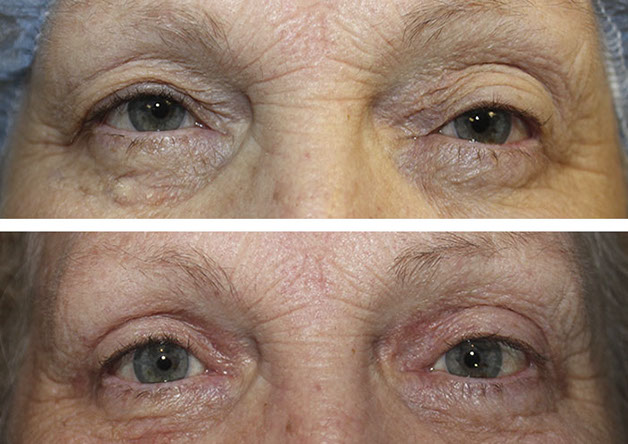
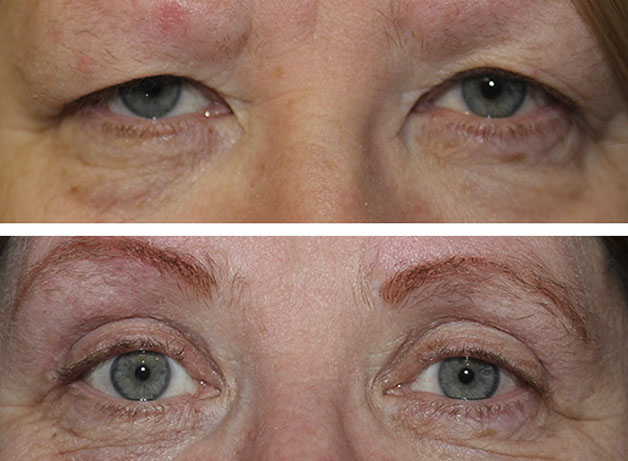
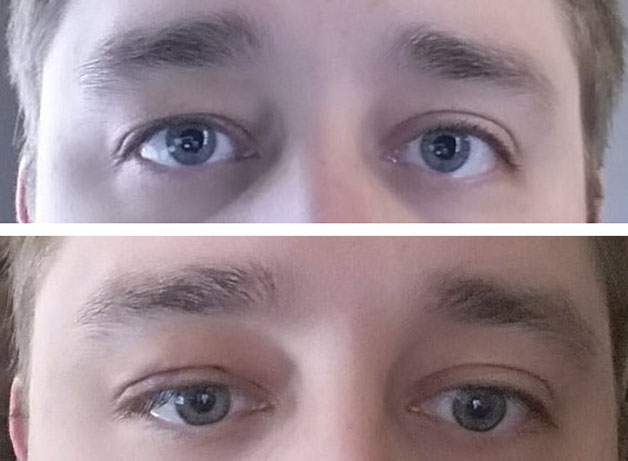
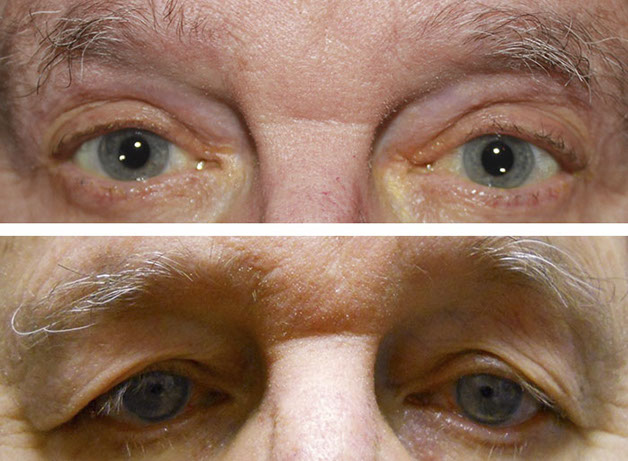
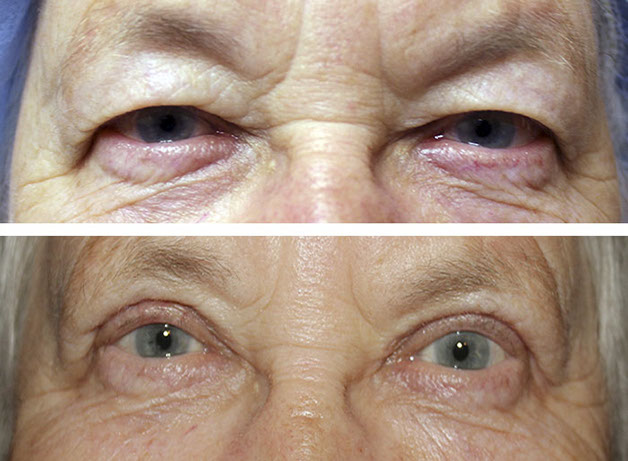
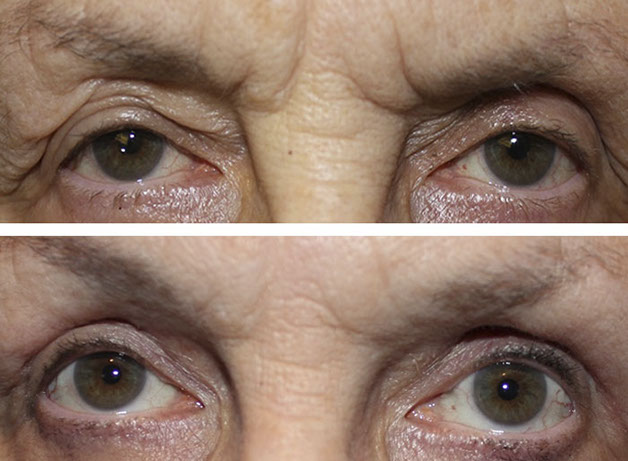
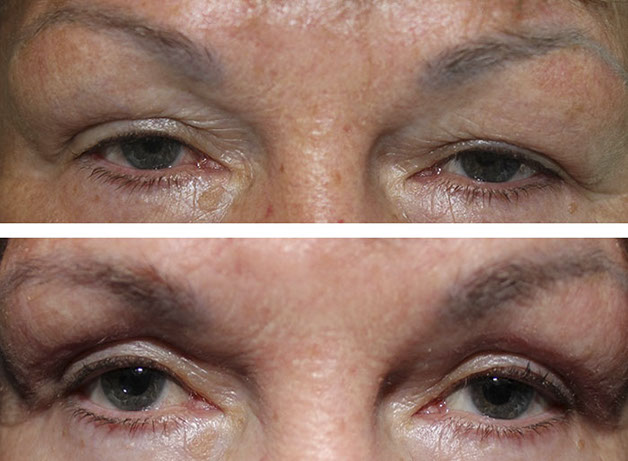
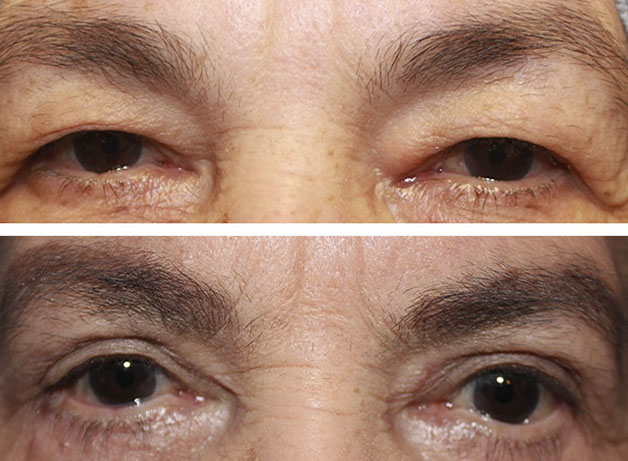
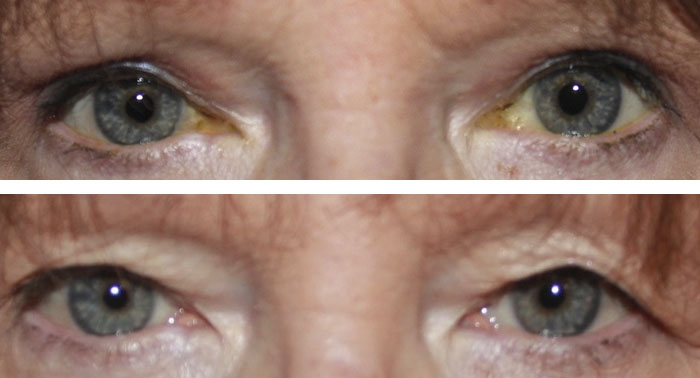
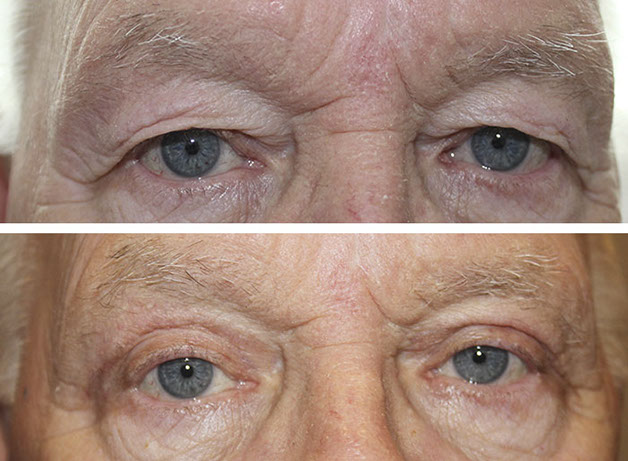
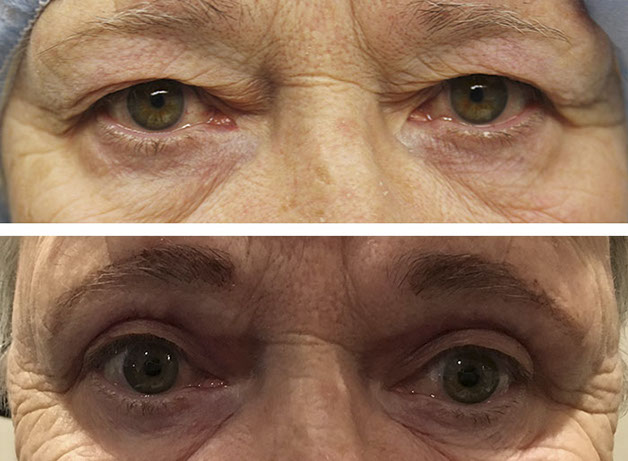
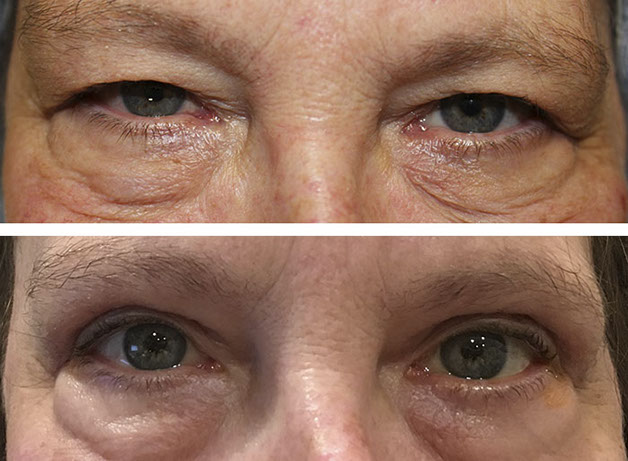
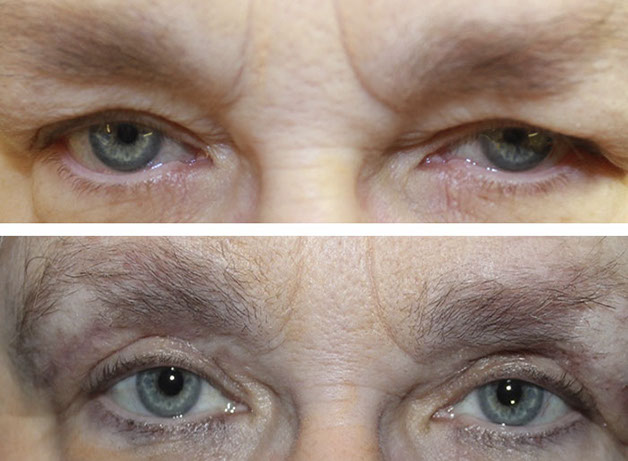
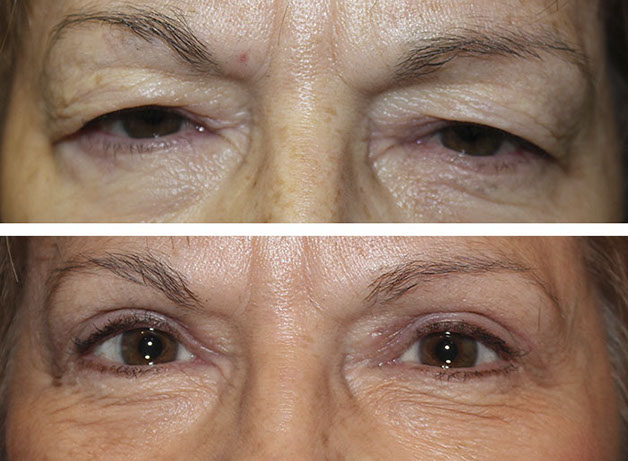
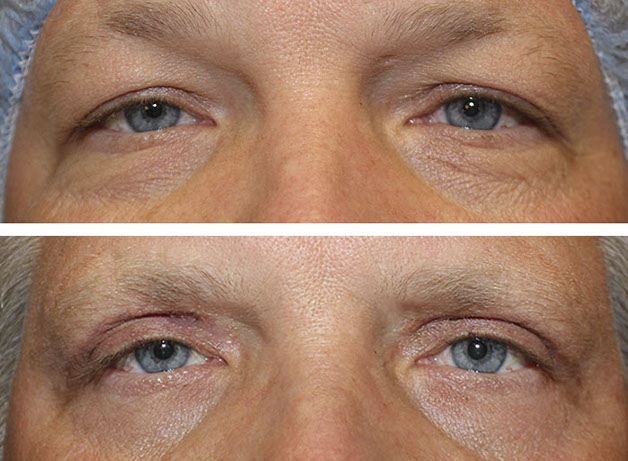
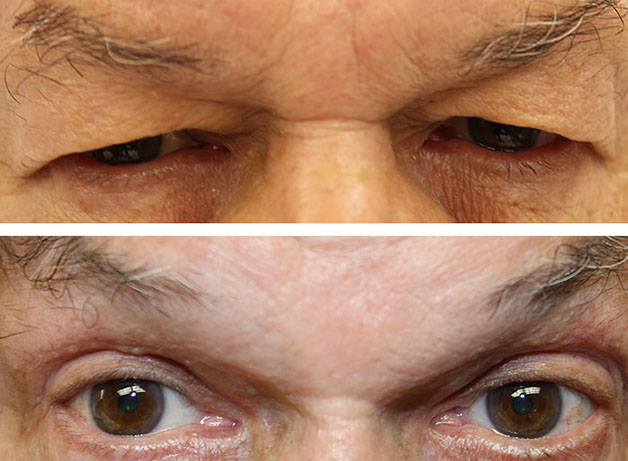
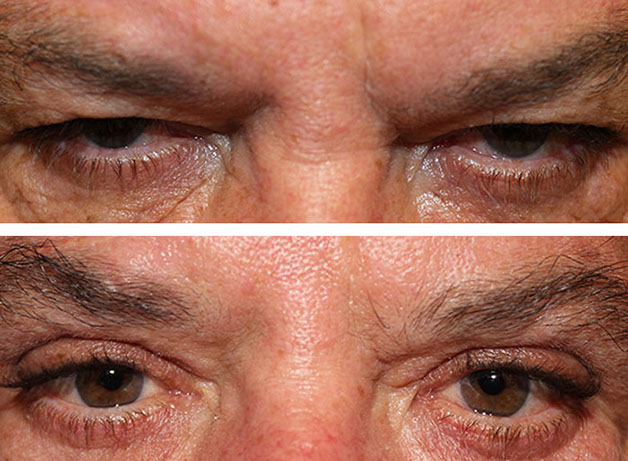
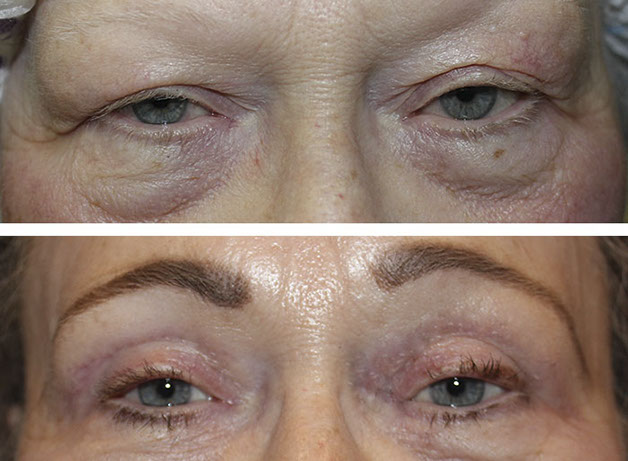
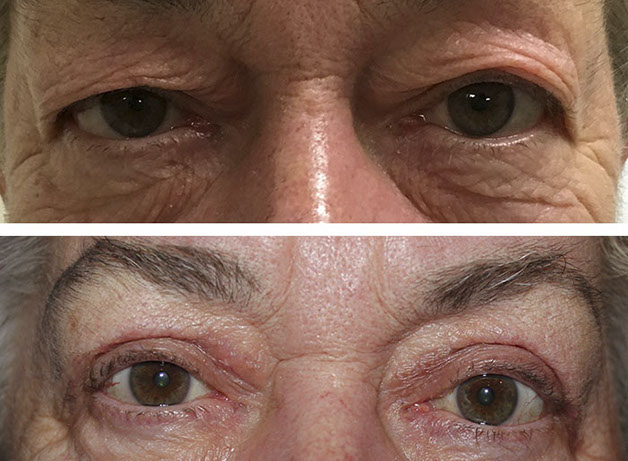
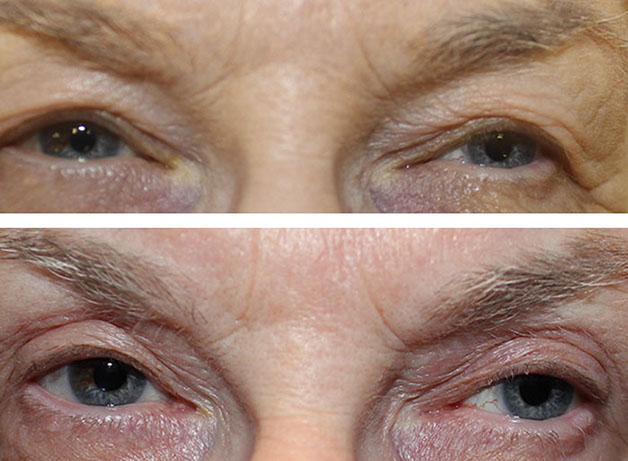
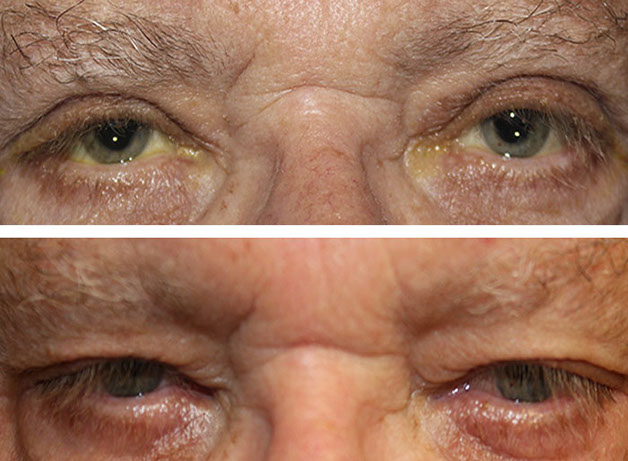
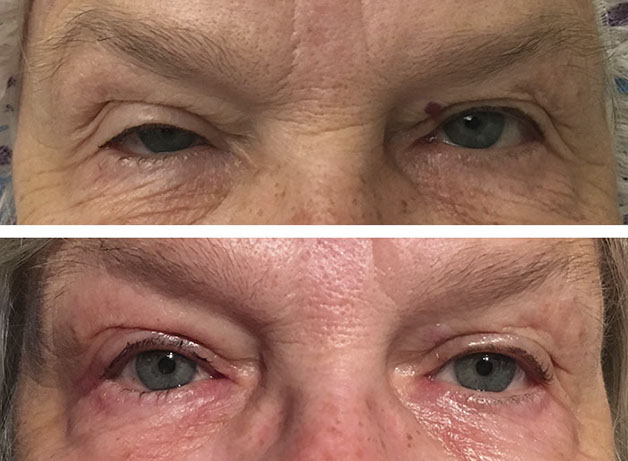
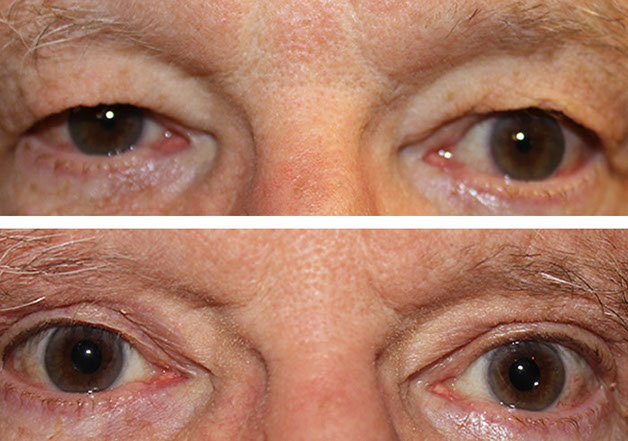
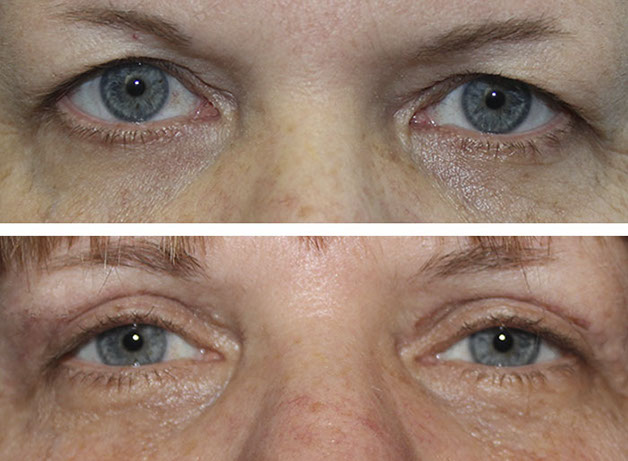
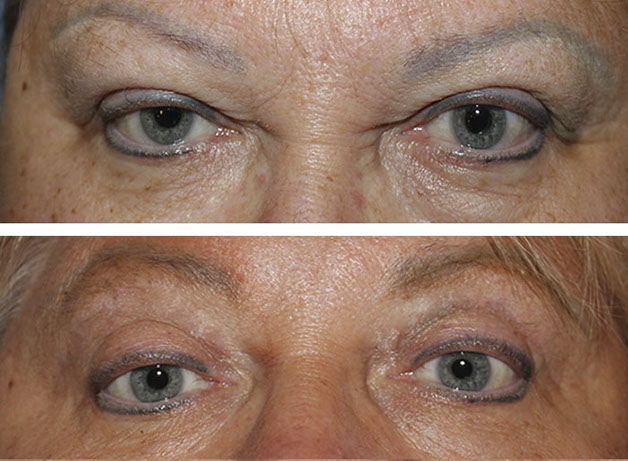
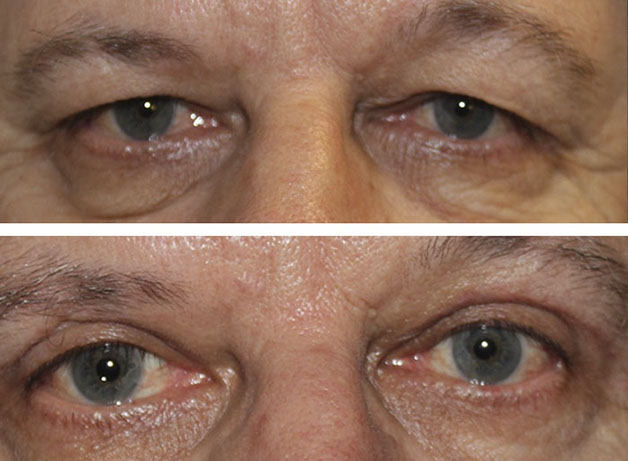
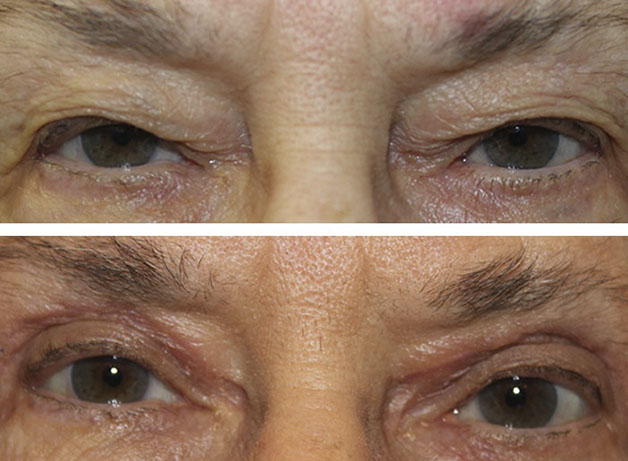
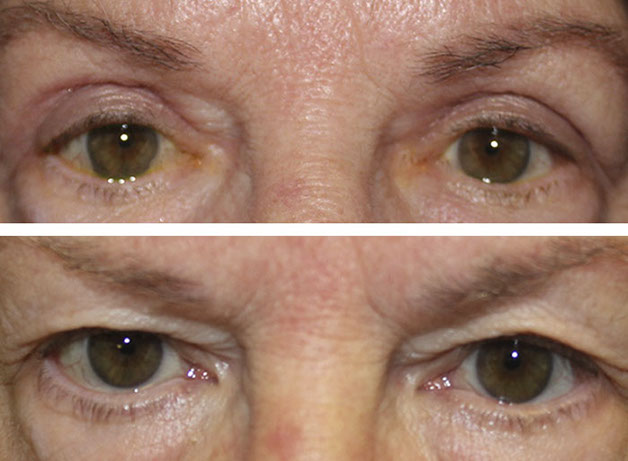
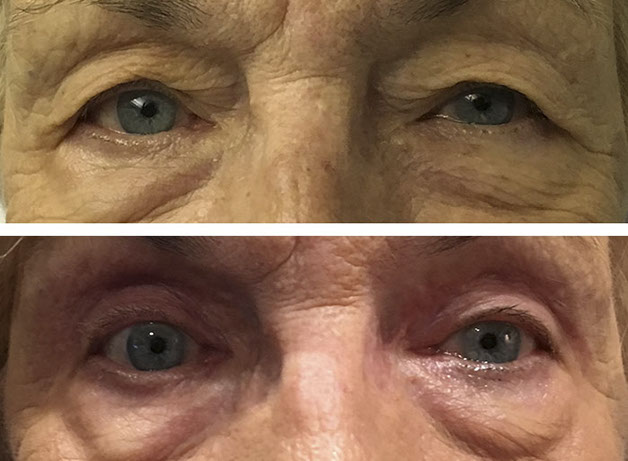
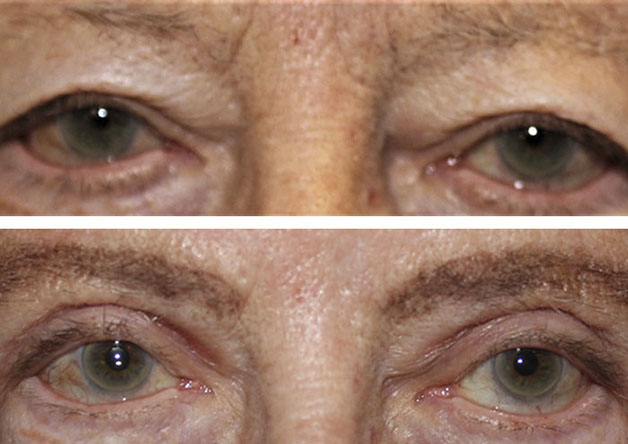
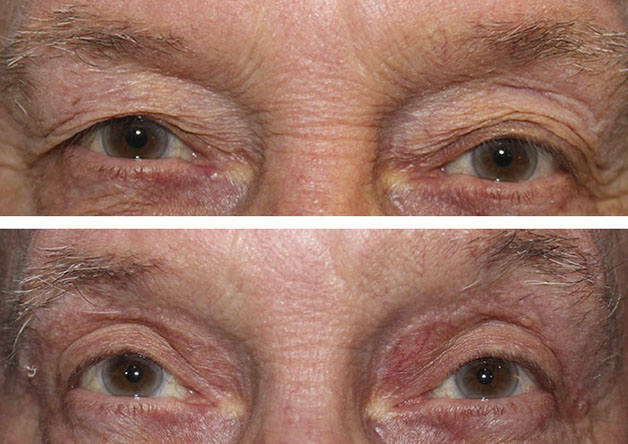
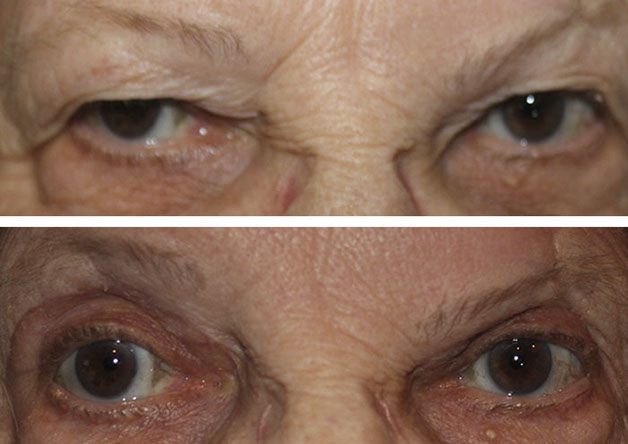
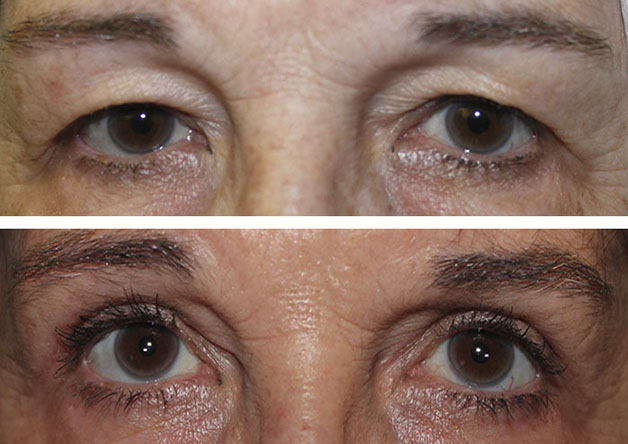
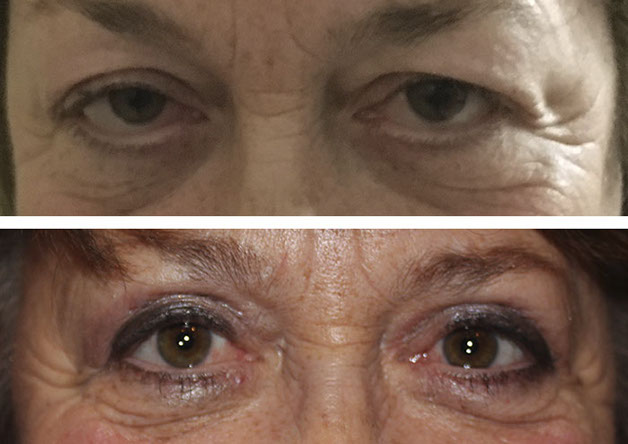
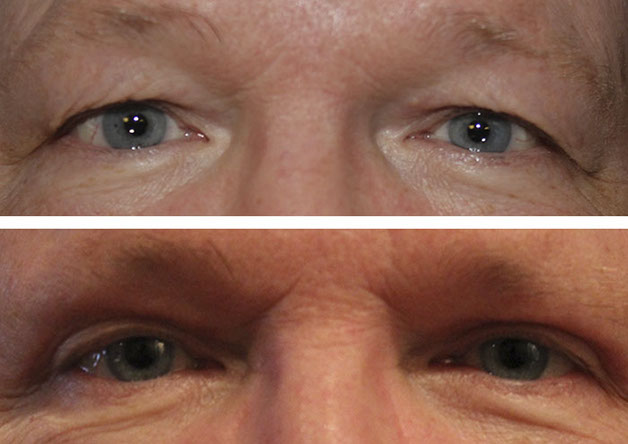
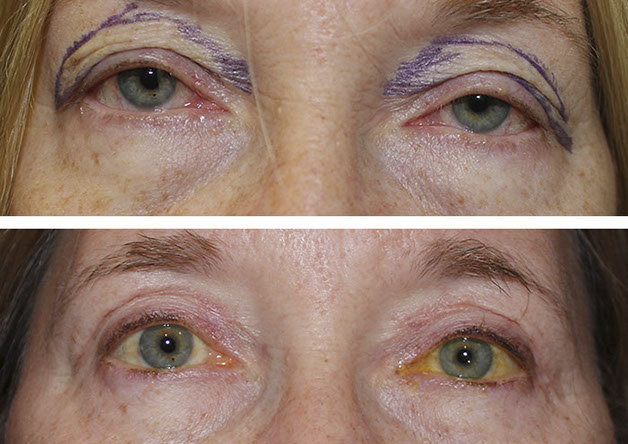
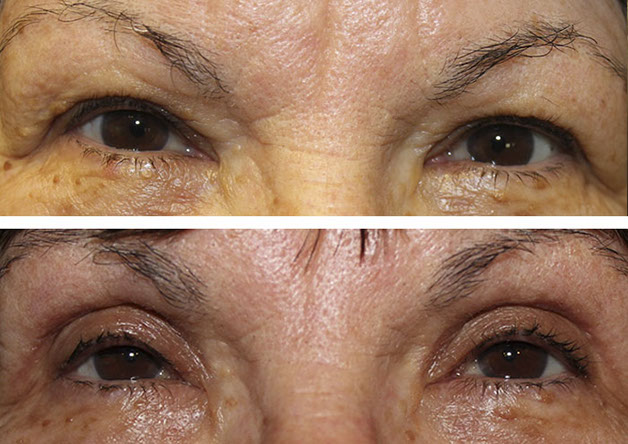
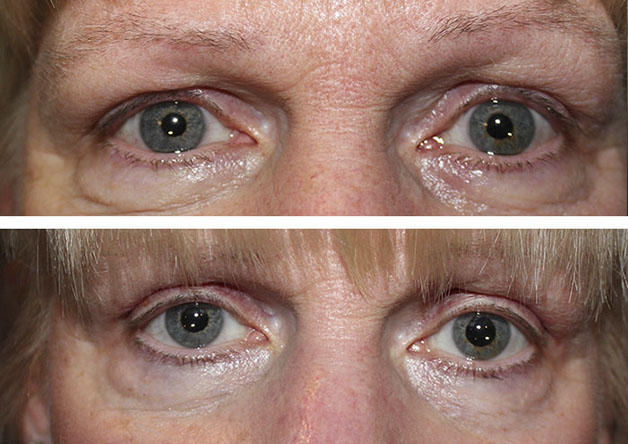
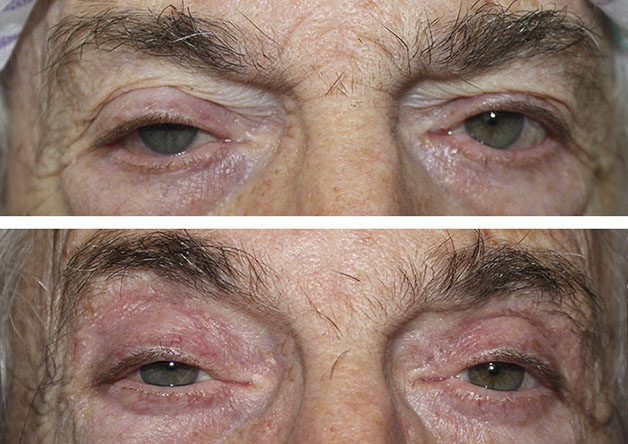
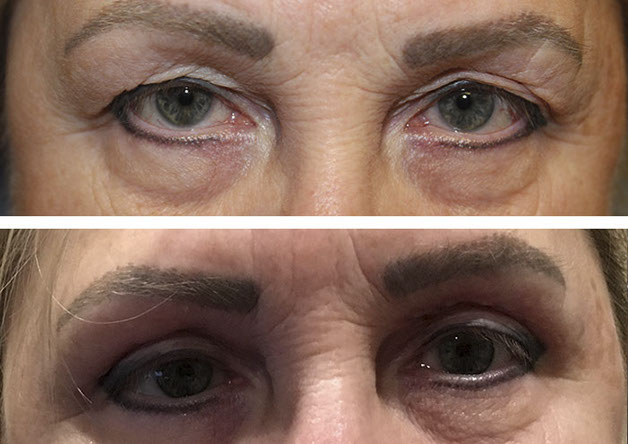
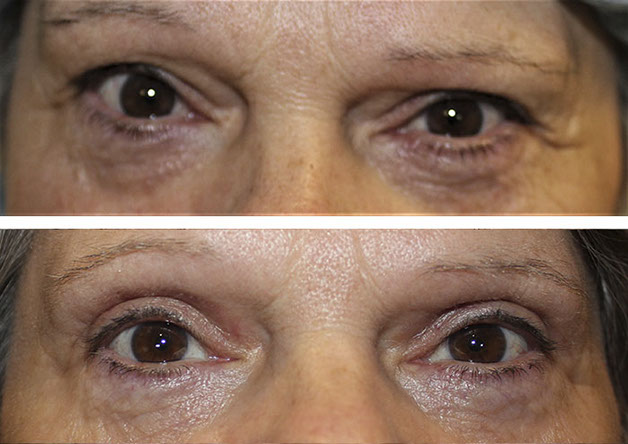
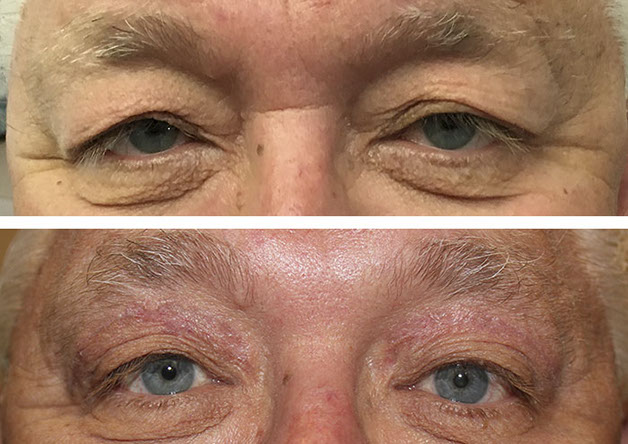
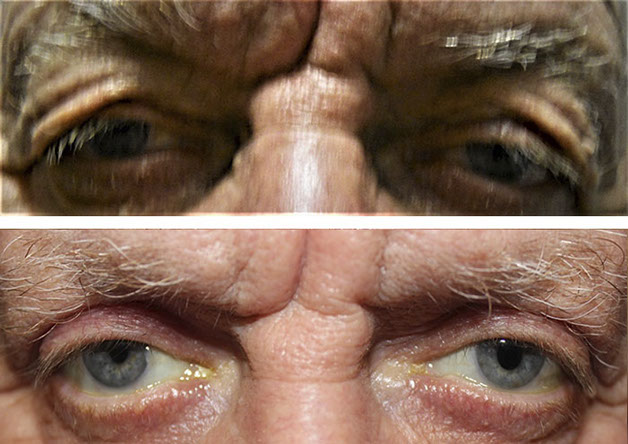
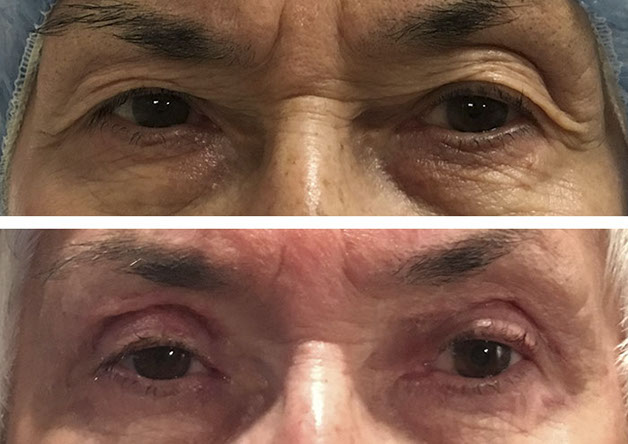
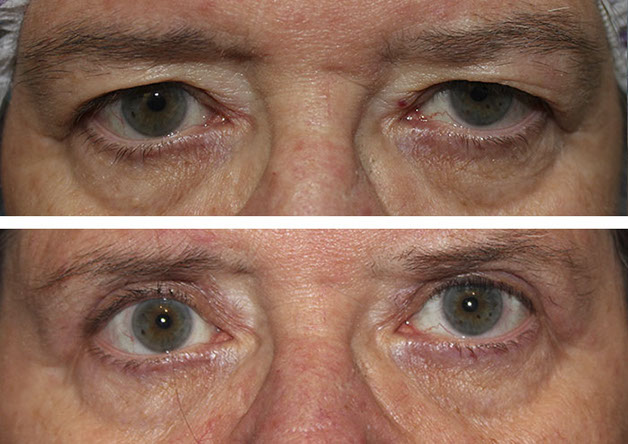
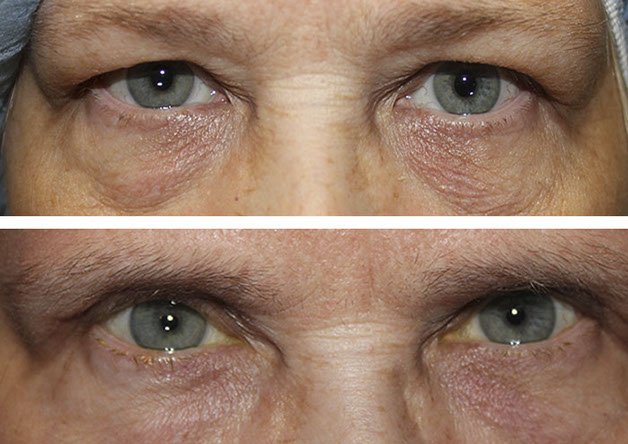
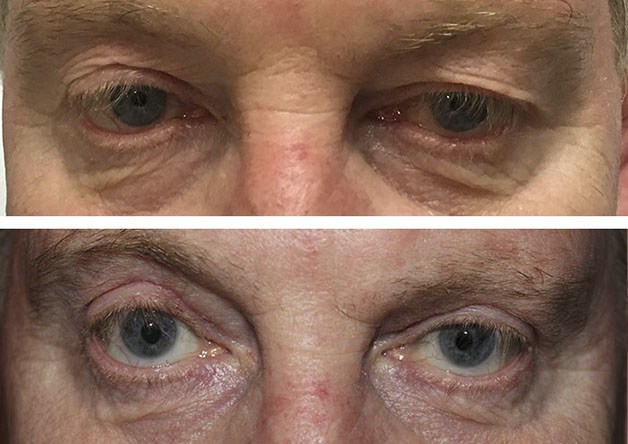
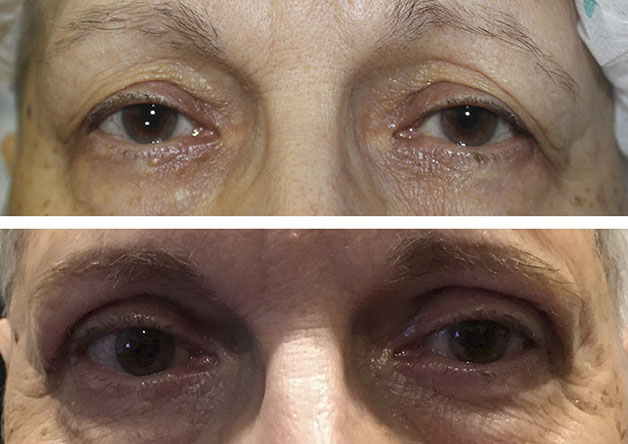
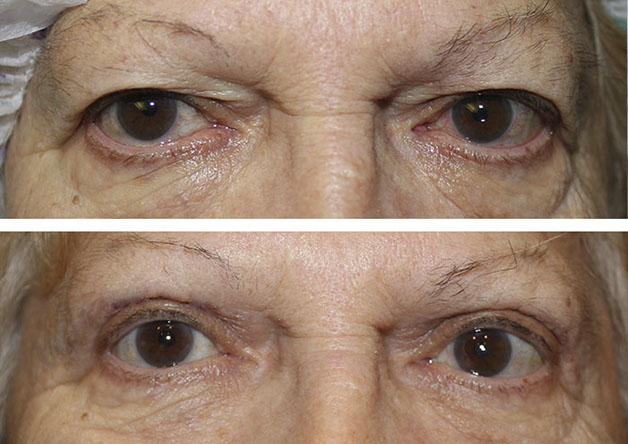
There are different muscles that can be affected, including an internal and external muscle, which both have the job of raising the eyelid. Besides this, our brow and forehead muscles may contribute to eyelid elevation. Every patient is different in regards to which of these components is most prominent in creating an abnormality and the surgical approach that suits each patient best is dependent on exactly which of these are most involved and other factors including age of the patient, the duration of the lid drooping problem and others.
Patients often ask, “Shouldn’t I have a plastic surgeon do my lid lift?” The answer is that ophthalmologists do perform plastic surgery of the eyelid. In some cases, plastic surgeons are even hesitant to operate on the internal muscular structures of the eyelid and concentrate their surgical technique on merely removing excess skin from the lids. This approach may be very effective in some cases, but not in all of them. This is understandable since plastic surgeons may need to operate on a large number of structures of the face and even throughout the entire body and may not be able to focus strictly on the eyelid alone as an ophthalmologist would. That is not to say this would apply to all plastic surgeons, but that is the simple answer to this kind of question. A large proportion of the surgery performed is intended to restore function to the eyelid and alleviate obstruction of vision as opposed to purely cosmetic benefit, although cosmetic lid lifts certainly are performed as well.
People also often ask, “Will I be able to close my eyes, “Will I look strange?” These types of problems usually occur when proper care is not taken to preserve the natural function of the lids. Cosmetic goals must be realistic. Patients often look noticeably younger after a lid lift, but care must be exercised to maintain good function and avoid excess.
Another frequently asked question is whether insurance will cover lid surgery. The answer is that it often will. However, there has to be evidence of obstruction of peripheral vision or physical symptoms such as irritation and inflammation produced by the malposition of the lids. An ophthalmologist knows exactly what tests need to be administrated in order to look for these potential reasons why insurance may cover this surgery. Having performed thousands of these over the years, we are also very familiar with the exact process of how to submit this information to the insurance to maximize the chances that a procedure will be covered if it is appropriate.
Our eyelids are very precise biological mechanisms that function as windshield wipers which continuously clean and moisturize the surface of our corneas. They protect us from foreign objects and cover our corneas when we rest. Our lower eyelids direct the pathway of tears into our tear duct passageways which pump tears into our nasal passages and keep our ocular surface clean. The more attention that is paid to restoring the natural position and shape of our eyelids the closer our eyelids are able to function to how they were originally designed. This keeps our eyes healthy and comfortable and seeing optimally, as well as improving our appearance. My approach to eyelid surgery is always to optimize appearance, but even more importantly try to preserve the structure and function.